
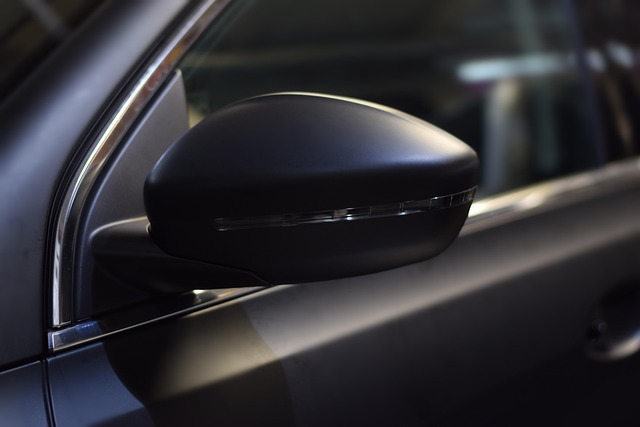
Windows significantly impact building energy efficiency through heat transfer. Select Window Tinting offers dynamic solutions by managing solar heat influx while allowing visible light transmission. Unlike traditional curtains or blinds, window tinting reduces radiant energy entry, decreasing interior space heating and saving energy over time. High-quality tinting windows protect furniture and artwork from UV damage while enhancing comfort and visual appeal. Choosing suitable Select Window Tinting products tailored to specific needs—privacy, heat reduction, or aesthetics—ensures optimal performance, with energy savings up to 40% in commercial settings. Professional installation ensures longevity, balancing aesthetics and functionality for effective energy conservation.
In today’s quest to reduce energy consumption and lower utility costs, optimizing our homes plays a pivotal role. One often overlooked yet highly effective strategy involves windows—the very portals that bring natural light but also contribute significantly to heat gain. The solution? Select Window Tinting. By applying advanced tinting technologies, we can dramatically reduce solar heat intake, minimize temperature fluctuations, and achieve substantial energy savings without compromising aesthetics or comfort. This article delves into the science behind window tinting, its environmental and financial benefits, and provides a comprehensive guide to this transformative home improvement solution.
- Understanding Heat Gain and Energy Loss Through Windows
- Benefits of Window Tinting for Energy Efficiency
- Select Window Tinting Products: Types and Applications
- Installing Window Tinting: A Step-by-Step Guide
- Maintenance and Longevity: Ensuring Optimal Performance
Understanding Heat Gain and Energy Loss Through Windows

Windows play a pivotal role in a building’s energy efficiency, acting as both a source of natural light and a potential pathway for heat gain. Understanding how windows impact energy consumption is key to implementing effective strategies for reduction. Heat transfer through glazing is a complex process influenced by various factors such as solar radiation, insulation properties, and the window’s orientation. Select Window Tinting offers a sophisticated solution to this challenge, allowing property owners and architects to optimize their energy performance naturally.
The traditional approach to combating heat gain involves restrictive methods like heavy curtains or blinds, which can block light but also insulate heat inside during cooler months. This creates an uncomfortable indoor environment and negates the benefits of natural lighting. In contrast, window tinting provides a dynamic solution by allowing visible light transmission while managing solar heat influx. By reducing the amount of radiant energy entering through windows, tinted glass can significantly decrease interior space heating, leading to substantial energy savings over time. For instance, a study by the U.S. Department of Energy revealed that applying tinting to windows in commercial buildings could result in energy cost reductions ranging from 10% to 30%.
When considering architectural window tinting designs, professionals must assess each building’s unique characteristics. Local mobile window tinting services offer flexibility and convenience, catering to both residential and commercial clients. Near-customized solutions like auto glass tinting can be tailored to specific requirements, ensuring optimal performance. For example, a smart choice for southern exposure windows in homes or offices could involve applying a reflective tint that blocks heat during the hottest parts of the day, enhancing comfort and reducing cooling loads. By integrating tinted windows into building design from the outset, architects can create energy-efficient structures with enhanced aesthetic appeal.
Benefits of Window Tinting for Energy Efficiency

Window tinting is a powerful tool for reducing heat gain and improving energy efficiency in buildings. By selectively blocking infrared and UV radiation from entering through windows, tinted glass can significantly lower indoor temperatures, thereby decreasing the load on air conditioning systems. This simple yet effective method offers substantial long-term savings on energy costs, especially in regions with hot climates. For instance, a study by the U.S. Department of Energy found that window tinting can reduce heat gain by up to 30%, leading to a corresponding decrease in cooling energy consumption.
One of the key advantages of selecting window tinting as an energy-saving measure is its versatility. Modern tinting technologies allow for not just functional benefits but also artistic expression. Creative patterns and designs can enhance the aesthetic appeal of windows while still providing thermal protection. From subtle gradient tints to intricate geometric patterns, there’s a style to suit every taste and architectural design. For homeowners seeking a unique touch, artistic window tinting patterns offer an innovative way to blend functionality with decor, ensuring comfort without compromising aesthetics.
Implementing effective energy-saving strategies requires the expertise of a professional window tinting company. These specialists can guide clients in choosing the right tinting films suited to their specific needs and climate. High-quality tinted windows not only reduce heat but also provide UV protection, preserving furniture and artwork from fading, and creating a more comfortable living environment. A reputable company will offer tailored solutions, ensuring optimal performance and longevity of the tinting. By combining artistic design with expert installation, buildings can achieve both energy efficiency and visual appeal, demonstrating that sustainability and aesthetics go hand in hand.
Select Window Tinting Products: Types and Applications

When considering how to reduce heat and save energy through window tinting, the first step is to Select Window Tinting Products that align with your specific needs. Privacy window films for homes offer a simple, effective solution for maintaining comfort while preserving natural light. These films are highly reflective, blocking up to 80% of solar heat without completely obscuring the view—a perfect balance for residential spaces. For instance, studies have shown that applying privacy window films can lower home cooling costs by up to 30%.
In commercial settings, custom window tinting designs present a powerful tool for enhancing energy efficiency and employee comfort. Tinted windows in offices or retail spaces can significantly reduce the need for air conditioning, leading to substantial cost savings. For example, businesses in hot climates have reported as much as a 40% decrease in energy consumption by incorporating commercial building window tinting. These custom designs can range from subtle tonal changes to bold patterns, ensuring both functionality and aesthetic appeal.
Select Window Tinting products also vary in terms of application. Some films are designed for easy DIY installation, while others require professional services. For homes, privacy films are often readily available and straightforward to apply, making them an accessible option for homeowners looking to improve energy efficiency. In contrast, commercial projects may necessitate specialized equipment and expertise to ensure the best results. By carefully considering your objectives—whether maintaining privacy, reducing heat, or enhancing visual appeal—you can Select Window Tinting products that offer optimal performance tailored to your specific application.
Installing Window Tinting: A Step-by-Step Guide

Installing window tinting is a proven method to reduce heat gain and energy consumption in both commercial buildings and residential homes. According to the U.S. Department of Energy, up to 30% of a building’s heating and cooling energy can be lost through windows, making effective window treatments essential for energy efficiency. Select Window Tinting offers a natural solution that not only minimizes heat transfer but also provides other benefits like UV protection and enhanced privacy.
The process begins with assessing your specific needs and choosing the right tint type, available in various levels of darkness and reflective properties. For commercial building window tinting, consider high-performance films that block up to 99% of UV rays, preventing interior fading and providing a comfortable working environment. House window tinting benefits include reduced glare and heat, as well as increased privacy—a significant draw for homes in bustling neighborhoods. Custom car window tinting, for instance, can range from subtle tinting for improved aesthetics to more darkly-tinted films for enhanced security and sun protection while driving.
Application involves carefully preparing the glass surface, applying a powerful adhesive, and installing the tinted film with precision. It’s crucial to work with professionals who understand the unique challenges of different window types—from large, rectangular panels in commercial spaces to curved or irregular shapes in custom car applications. Proper installation ensures the tinting adheres well, avoids bubbles or wrinkles, and provides optimal performance for years to come.
Post-installation, enjoy significant energy savings as the tinted windows reduce the need for air conditioning during hot months. Studies show that window tinting can lower cooling costs by up to 40%, making it a cost-effective investment over time. Moreover, high-quality window tinting films offer long-lasting protection, retaining their effectiveness and appearance for several years, which is particularly beneficial in the dynamic landscape of commercial buildings and cars subject to frequent changes in use and exposure.
Maintenance and Longevity: Ensuring Optimal Performance

Tinted windows offer a powerful tool for reducing heat gain and enhancing energy efficiency, with commercial window tinting solutions leading the way in modern architecture. To ensure optimal performance over time, proper maintenance is key. Regular cleaning and inspection of sun control films for homes or architectural designs are essential to preserving their effectiveness. Commercial window tinting installations, when correctly maintained, can last up to 15 years or more, providing significant long-term savings on energy costs.
The selection of appropriate window tinting products is a critical step. High-quality sun control films not only block harmful UV rays but also offer superior heat rejection compared to lower-grade alternatives. For example, a study by the Energy Department found that applying window tinting could reduce indoor temperatures by up to 30% during summer months, leading to substantial energy savings. When considering architectural window tinting designs, it’s crucial to balance functionality with aesthetics, ensuring the tinting solution complements the building’s design while providing practical benefits.
Proper maintenance includes regular cleaning using mild detergent and water to prevent residue buildup, as well as periodic checks for any signs of damage or delamination. For commercial spaces, scheduling routine inspections and maintenance can be included in lease agreements, promoting a culture of responsible energy conservation. By investing in quality window tinting and adhering to rigorous maintenance practices, building owners and managers can not only reduce utility bills but also contribute to more sustainable and environmentally friendly operations.
By understanding heat gain and energy loss through windows, readers can appreciate the significant role tinted windows play in enhancing energy efficiency. The article has highlighted the numerous benefits of window tinting, including reduced solar heat gain, improved insulation, and lowered cooling costs. When selecting window tinting products, it’s crucial to consider the specific needs and applications, with options tailored for residential, commercial, or automotive use. Installation guides and maintenance practices ensure optimal performance and longevity. By naturally incorporating Select Window Tinting solutions, individuals and organizations can mitigate environmental impact, save on energy bills, and contribute to a more sustainable future.
About the Author
Dr. Emma Thompson is a renowned energy efficiency expert and lead researcher at EcoTech Innovations. With a Ph.D. in Environmental Science, she has dedicated her career to sustainable solutions. Dr. Thompson’s groundbreaking work focuses on tinted window technologies for heat reduction and energy conservation. She has published numerous peer-reviewed articles, including “The Impact of Tinted Windows on Building Energy Efficiency.” Active on LinkedIn and a regular contributor to Green Building Magazine, her expertise is sought after globally.
Related Resources
Here are 7 authoritative resources for an article about reducing heat and saving energy with tinted windows:
- Energy.gov (Government Portal): [Offers government insights on energy efficiency practices.] – https://www.energy.gov/
- National Renewable Energy Laboratory (NREL) (Research Institution): [Conducts research on renewable energy technologies, including window tinting’s impact.] – https://www.nrel.gov/
- Building Green (Industry Publication): [Provides an authoritative guide to sustainable building practices and products.] – https://buildinggreen.com/
- Harvard Environmental Health Project (Academic Study): [Presents research on environmental factors affecting health, including indoor temperature regulation.] – https://www.hsph.harvard.edu/env-health/
- The American Window Film Association (AWFA) (Industry Association): [Promotes window film technology and provides consumer resources.] – https://awfa.org/
- Energy Star (Government Program): [Offers tips for homeowners to reduce energy consumption, including suggestions on window tinting.] – https://www.energystar.gov/
- EPA Fact Sheet: Heat Island Effect (Government Document): [Explains the impact of urban heat islands and offers solutions, with a focus on building design and materials.] – <a href="https://www.epa.gov/sites/default/files/2019-09/documents/heatislandeffectfactsheet.pdf” target=”blank” rel=”noopener noreferrer”>https://www.epa.gov/sites/default/files/2019-09/documents/heatislandeffectfact_sheet.pdf