

Car window tinting offers multiple practical benefits beyond aesthetics. It reduces heat build-up, enhances privacy, and secures valuables. Selecting the right tint involves balancing darkness, UV protection, and legal limits (VLT ratings). Quality installation by experts ensures long-lasting results, safety, and vehicle value. Maintenance includes regular cleaning and replacing damaged films. Select Window Tinting naturally based on specific needs for residential or commercial use, adhering to local regulations for optimal comfort, security, and style.
In the quest for a more comfortable and controlled driving environment, car window tinting has emerged as an increasingly popular solution. The harsh sun’s rays can make interior spaces uncomfortably hot, leading to not only discomfort but also potential health risks. Herein lies the significance of Select Window Tinting—a technology that offers a smoother, cooler ride by strategically blocking harmful UV rays and reducing heat transfer. By selecting the right window tint, drivers can mitigate these issues, enhancing both passenger comfort and vehicle performance. This article delves into the science behind window tinting, its myriad benefits, and guides you in making informed choices for your automotive needs.
- Understand the Benefits of Car Window Tinting
- Choose the Right Window Tint for Your Needs
- Select Window Tinting: Factors to Consider
- Installation Process: A Step-by-Step Guide
- Legal and Safety Considerations for Tinting
- Maintain and Enjoy Your Tinted Windows
Understand the Benefits of Car Window Tinting

Car window tinting offers more than just a stylistic upgrade; it significantly enhances your driving experience by providing several practical benefits. One of the primary advantages is the reduction of heat build-up inside the vehicle. During hot summer days, tinted windows can lower interior temperatures by blocking up to 99% of the sun’s UV rays and infrared radiation, making your rides cooler and more comfortable. This feature not only improves passenger comfort but also reduces the workload on air conditioning systems, potentially saving you money on energy bills.
Moreover, window tinting provides privacy and security. The right tint can make it difficult for passersby to see inside your car, giving you and your passengers a sense of peace and security. This is particularly valuable when transporting valuable items or simply wanting to enjoy a private conversation without prying eyes. Selecting the best dark tints for cars allows you to achieve the desired level of opacity while still allowing enough light for safe driving. For instance, a film with a VLT (visible light transmission) range of 30-40% is commonly chosen for optimal darkness and driver comfort.
Tinting can also contribute to improved vehicle aesthetics and resale value. A professional application of high-quality window tint films not only gives your car a sleek, modern look but also protects the interior from fading due to sunlight exposure. When considering window tinting for new construction windows or as a retrofit, it’s crucial to follow tint installation tips and tricks. These include ensuring proper cleaning and preparation of the glass surface, using a high-quality tint film, and achieving a bubble-free application for optimal results. Data suggests that vehicles with tinted windows can fetch up to 3% more at resale, underscoring the long-term benefits of this upgrade.
Choose the Right Window Tint for Your Needs

Choosing the right window tinting solution is a crucial step in enhancing your vehicle’s comfort and style. The market offers a wide array of options, each designed for distinct purposes. For instance, sun control films for homes have revolutionized energy efficiency and reduced heat gain, while professional window tinting companies cater to commercial spaces like offices, providing privacy films that offer a balance between light control and discretion.
When selecting a window tint, consider your primary goals. If you’re looking for ultimate privacy during business hours, a darker, reflective film suitable for offices is ideal. These films block out 90% or more of UV rays, ensuring employee comfort while preserving privacy. Conversely, if you’re prioritizing safety and security in a residential setting, lighter tints that offer subtle enhancement without obscuring visibility are recommended.
For a smoother, cooler ride, it’s essential to understand the properties of different tinting films. Modern sun control films are engineered with advanced technologies, reflecting heat away from the interior while allowing natural light to enter. This not only reduces the need for air conditioning but also minimizes fading of upholstery and other interior items due to prolonged UV exposure. Remember, selecting the right window tinting is about tailoring a solution that meets your specific needs, be it residential or commercial.
Select Window Tinting: Factors to Consider
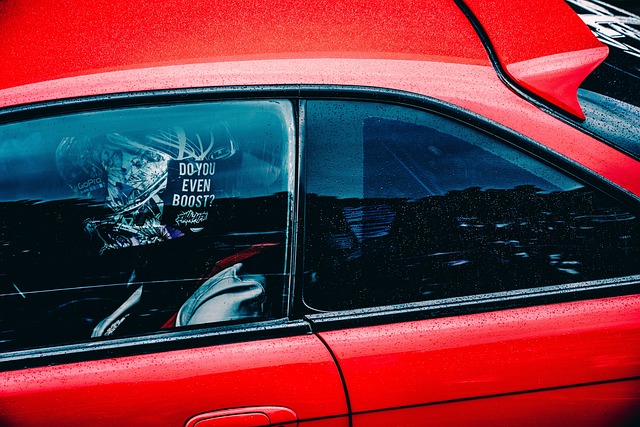
When considering car window tinting, selecting the right type is paramount for achieving a smoother, cooler ride while enhancing privacy and security. Key factors come into play, demanding careful consideration. Firstly, understand that architectural window tinting designs offer more than aesthetic appeal; they can significantly alter the interior climate, blocking harmful UV rays and reducing heat buildup. Look for tints with high VLT (visible light transmission) ratings to preserve natural lighting while cutting down on glare.
Privacy glass alternatives, another option, provide a balance between transparency and discretion. These tints allow visible outside perception while offering a level of privacy, ideal for businesses or individuals valuing both visibility and security. Best dark tints for cars, ranging from subtle grey to deep black, offer optimal protection against prying eyes but can impact interior lighting. Consider your needs: do you prioritize complete darkness for relaxation or prefer some natural light?
Additionally, consult with experts to gauge the legal tinting limits in your region, as regulations vary. Remember that the right window tinting isn’t just about aesthetics; it’s a strategic choice impacting comfort, safety, and vehicle value.
Installation Process: A Step-by-Step Guide

Getting a smoother, cooler ride starts with understanding the installation process of car window tinting. This step-by-step guide delves into the intricacies of transforming your vehicle’s windows from transparent to tinted, offering both aesthetic and functional benefits. Begin by selecting Window Tinting that aligns with your needs; modern tints come in various levels of darkness and protection against UV rays. Ensure compatibility with your car model for a seamless fit.
Before installation, prepare the surface by cleaning and decontaminating the windows to achieve optimal adhesion. Remove any existing window films or residue to prevent bubbles or lines. Next, carefully apply the tint using a precision knife, starting from the top edge and working your way down, ensuring even pressure for a bubble-free finish. Utilize a window tinting cost estimator online to budget effectively, as costs vary based on vehicle size and tint type.
Once applied, allow the adhesive to cure according to the manufacturer’s instructions. Post-installation, test the tint’s effectiveness against heat and UV rays to confirm its quality. Modern window tints not only enhance privacy but also reduce glare, making driving more comfortable. Consider privacy glass alternatives for added security or mobile auto tinting services for a convenient, professional touch. Remember that proper installation is key; DIY methods can lead to subpar results, so opt for experts to ensure long-lasting protection and aesthetics.
Legal and Safety Considerations for Tinting
Car window tinting offers a range of benefits, including enhanced privacy, reduced glare, and improved comfort. However, before you embark on this modification, it’s crucial to navigate the legal and safety considerations that come into play. Different regions have varying regulations regarding the level of darkness allowed for vehicle windows, with many requiring a certain percentage of light transmission. For instance, in the United States, most states mandate a minimum light transmission of 70%, while some allow darker tints for rear windows. In Europe, the legal requirements differ across countries, but many follow similar standards to the US. When considering window tinting, especially for commercial fleets or architectural window designs, it’s essential to select a product that adheres to these regulations to avoid fines and ensure safety.
The primary focus should be on selecting a high-quality window tinting solution designed to offer both aesthetic appeal and functionality. Commercial window tinting solutions, tailored for vehicles with specific design requirements, can provide advanced protection against UV rays, heat build-up, and foul weather conditions. These films are engineered to maintain clarity over time, ensuring optimal visibility for the driver while meeting legal standards. Architectural window tinting designs, on the other hand, require a nuanced approach, considering factors like energy efficiency, natural light control, and aesthetic integration with the building’s façade. Car interior protection films, an innovative alternative, offer added security against theft and damage while providing some level of privacy without obstructing views entirely.
Proper installation is paramount to ensuring safety and maintaining legality. Professional installers, trained in handling various window tinting materials, can achieve a seamless finish that prevents bubbles, cracks, or uneven application. They also understand the importance of correct placement, especially for side mirrors and headlamps, which require specific cut-outs to meet regulatory requirements. By combining high-quality tinting products with expert installation, vehicle owners can enjoy a smoother, cooler ride while adhering to legal standards, ultimately enhancing safety on the road.
Maintain and Enjoy Your Tinted Windows
Maintaining and enjoying your tinted windows involves a thoughtful combination of quality installation, regular care, and an understanding of the technology behind it. High-quality window tinting films are designed to last for years with minimal fading or degradation, providing both aesthetic and functional benefits. To maximize these advantages, selecting the right tinting film is crucial, aligning with your architectural window tinting designs and vehicle’s make and model. For example, reflective window tints can significantly reduce interior heat buildup, making your ride smoother and cooler, especially in sunny climates – studies show that they can block up to 99% of UV rays.
Proper care extends the life of your tinted windows. Avoid using harsh chemicals or abrasive cleaning materials, which can damage the tint. Instead, use a soft cloth and warm, soapy water for regular cleaning. Be cautious when washing your vehicle to prevent water spots from damaging the film. Additionally, consider protective coatings that offer extra shield against scratches and stains. For older windows with unique shapes or designs, custom-cut tinting films can preserve the architectural integrity while providing the benefits of modern window tinting technology.
Over time, some tinting films may need replacement, especially if they start to bubble, peel, or lose their adhesive properties. This is particularly common in areas with extreme temperature fluctuations or high humidity levels. A professional assessment can determine if your tinted windows require repair or replacement. Modern architectural window tinting designs now offer a variety of options beyond simple dark tints, incorporating stylish and subtle effects that enhance the interior aesthetic without compromising functionality. For instance, reflective tints come in diverse shades, from light blue to metallic, adding depth and dimension while still providing UV protection.
By embracing car window tinting, you can significantly enhance your driving experience. The article has guided you through understanding the benefits, choosing the right tint, navigating installation, and adhering to legal considerations. Key takeaways include selecting Window Tinting tailored to your needs, whether for heat reduction, privacy, or style. Installation requires careful preparation and professional tools, ensuring a seamless finish. Maintain your tinted windows by cleaning them properly and monitoring UV damage. This comprehensive guide empowers you to make informed decisions, enjoy a smoother, cooler ride, and protect your vehicle’s interior from the elements.