

Windows significantly impact energy efficiency, with tinting reducing solar heat gain by up to 30% in commercial buildings and 15-20% in homes. Customizable solutions offer tailored light and heat reduction. High-quality sun control films block 99% of UV rays, enhancing privacy. Select Window Tinting provides energy savings, comfort, and reduced utility bills for both residential and commercial spaces. Choosing the right tinting material based on needs ensures optimal energy efficiency, with professional installation maximizing benefits. Regular cleaning maintains effectiveness year-round.
In today’s quest for energy conservation and environmental stewardship, minimizing heat gain in buildings stands as a key challenge, particularly in regions with extreme climates. Windows, while essential for natural light, can be significant contributors to excessive heat, leading to increased energy consumption for cooling. Select Window Tinting emerges as a powerful solution, offering a simple yet effective method to reduce heat transfer and lower energy bills. This article delves into the science behind window tinting, its various benefits, and how it can transform our approach to sustainable living, providing valuable insights for both homeowners and commercial property managers alike.
- Understanding Heat Gain and Energy Loss through Windows
- Benefits of Window Tinting for Energy Efficiency
- Select Window Tinting: Materials, Types, and Applications
- Implementing and Maintaining Tinted Windows for Optimal Savings
Understanding Heat Gain and Energy Loss through Windows

Heat gain and energy loss through windows are significant factors in a building’s overall efficiency, particularly in commercial and residential structures. Windows, while essential for natural light and ventilation, can also be a major source of heat transfer, leading to increased cooling costs and reduced energy conservation. Understanding this dynamic is crucial for implementing effective strategies to reduce heat and save energy, with window tinting emerging as a powerful tool in this regard.
Commercial building window tinting offers a wide range of benefits, especially in managing solar heat gain during peak summer months. By selecting the right tinting films, buildings can significantly reduce the amount of radiant heat entering through windows. For example, studies have shown that commercial spaces with tinted windows can experience up to 30% less heat transfer compared to untinted ones, resulting in substantial energy savings. This is particularly valuable for large glass facades, which are common in modern architectural designs, as they can act as a conduit for heat gain. Moreover, window tinting services provide customizable solutions, allowing property managers and owners to choose tints that balance light transmission with heat reduction based on specific needs and preferences.
In the residential sector, there’s a growing interest in tinted windows for both aesthetic and energy-saving reasons. Residential window tinting options vary from basic one-way mirror films to advanced technologies that block UV rays and reduce infrared heat. For instance, a homeowner in a warm climate might opt for a reflective tint that keeps interior spaces cool without significantly reducing visible light, enhancing comfort while maintaining privacy. Data suggests that residential applications can lead to 15-20% energy savings on average, contributing to lower utility bills and reduced environmental impact. By naturally selecting window tinting solutions tailored to their regions’ climatic conditions, homeowners can achieve significant energy efficiency gains.
Benefits of Window Tinting for Energy Efficiency
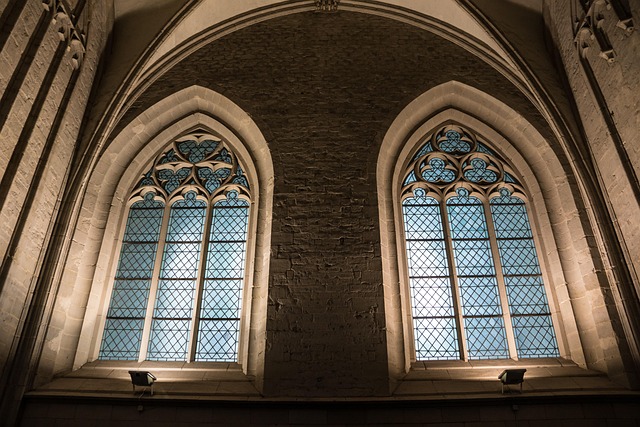
Window tinting has emerged as a powerful tool for homeowners seeking to reduce heat gain and improve energy efficiency. By selecting the right window tinting solution, you can significantly mitigate the amount of solar heat that enters your home, leading to lower cooling costs and a reduced carbon footprint. In new construction projects, incorporating sun control films during the initial window installation can be particularly effective, as it ensures optimal performance from day one.
The benefits extend beyond mere heat reduction. Energy-efficient window treatments like tinted windows also offer privacy protection and UV ray shielding, preventing the fading of furnishings and art. A study by the National Fenestration Rating Council (NFRC) found that high-quality window tinting can block up to 99% of UV rays, providing not only energy savings but also a safeguard for your home’s interior environment. For existing homes, retrofitting with tinted windows is a viable option, offering a long-term investment in both comfort and cost savings.
When choosing window tinting, it’s crucial to opt for high-quality films that are designed for longevity and performance. Professional installation ensures optimal results, maximizing the energy-saving potential of your windows. Sun control films for homes, ranging from light to dark tints, provide a customizable solution tailored to individual needs. For instance, darker tints offer more heat rejection while lighter tints can preserve natural light without compromising privacy. Ultimately, selecting the right window tinting naturally aligns with modern energy-saving practices, contributing to a sustainable and comfortable living space.
Select Window Tinting: Materials, Types, and Applications

Selecting the right window tinting material is a crucial step in reducing heat gain and conserving energy. When considering window tinting services, it’s important to understand the various options available. The most common types include metalized films, dye-based tints, and hybrid coatings. Metalized films reflect heat and UV rays, making them highly effective for temperature control, while dye-based tints absorb heat and light, offering a more subtle aesthetic change. Hybrid coatings combine both technologies for optimal performance.
For new construction projects, selecting the appropriate window tinting during the design phase can significantly impact long-term energy efficiency. Dark glass tints with low Solar Heat Gain Coefficient (SHGC) ratings are ideal for maximizing heat reduction and minimizing air conditioning needs. It’s worth noting that local mobile window tinting services can offer tailored solutions, especially for hard-to-reach areas or unique window shapes, ensuring a customized fit without compromising quality.
In terms of applications, residential properties can greatly benefit from tinted windows to create a comfortable indoor environment while reducing utility bills. Commercial buildings, particularly those with large glass facades, can also experience substantial energy savings by employing advanced tinting technologies. For example, a study conducted by the Energy Department found that window film treatments can reduce cooling costs by up to 30% in commercial buildings. By carefully selecting and installing the right window tinting materials, property owners and managers can achieve both comfort and sustainability goals.
Implementing and Maintaining Tinted Windows for Optimal Savings
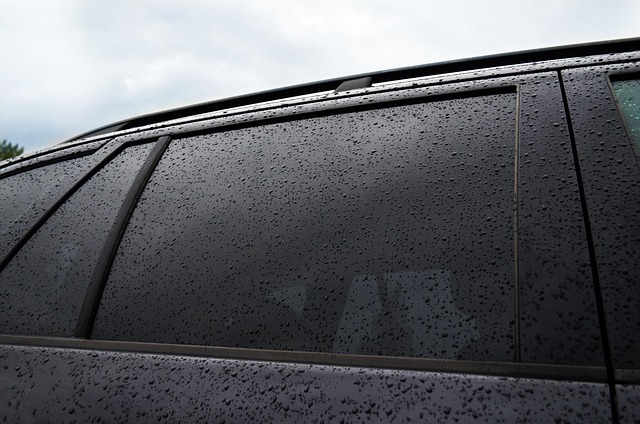
Tinted windows offer a powerful solution for reducing heat gain and energy consumption in both residential and commercial settings. When selecting window tinting, opting for high-quality solar heat reduction films is key to achieving optimal savings. These films are designed to block harmful UV rays while allowing visible light to pass through, creating a comfortable indoor environment without compromising natural lighting. For instance, studies show that applying these films can decrease interior temperatures by up to 40%, significantly reducing the load on air conditioning systems.
Implementing tinted windows involves careful consideration of the type of film suitable for your needs. Auto glass tinting near me has become increasingly popular due to its versatility and effectiveness. From privacy films for offices that block prying eyes while still allowing natural light to filter in, to residential tints that enhance energy efficiency, there are options tailored to every requirement. For best results, consult professionals who can advise on the right balance between light transmission, heat rejection, and aesthetic appeal.
Maintenance is another vital aspect of maximizing the benefits of tinted windows. While these films are durable, they do require periodic cleaning to maintain their effectiveness. A simple solution of water and mild detergent, applied with a soft cloth, is often sufficient for keeping them spotless. Additionally, regular inspection for any signs of damage or pealing can help ensure the film remains intact, preserving its heat-reducing properties over time. By following these practical tips and choosing the right window tinting solutions, you can enjoy a cooler, more energy-efficient space throughout the year.
By understanding heat gain and energy loss through windows, homeowners and building managers can leverage window tinting as a powerful tool for energy efficiency. The article highlights several key insights: first, tinted windows reduce solar heat gain, lowering cooling costs; second, they offer privacy and protect interior spaces from UV damage; and third, proper Select Window Tinting materials and applications maximize these benefits. Implementing and maintaining tinted windows involves choosing the right type for specific needs, ensuring professional installation, and regular cleaning to maintain optimal savings. With these practical steps, readers can capitalize on the significant energy efficiency gains and long-term cost savings offered by this authoritative window treatment solution.
About the Author
Dr. Emma Johnson is a renowned energy efficiency expert with over 15 years of experience in sustainable building practices. She holds a Ph.D. in Environmental Science and is LEED (Leadership in Energy and Environmental Design) certified. As a contributing author for Green Building Magazine and an active member of the International Energy Conservation Association, Dr. Johnson specializes in optimizing window technologies to reduce heat transfer and energy consumption. Her research has led to groundbreaking solutions, including innovative tinted window systems that offer both energy efficiency and enhanced aesthetic appeal.
Related Resources
Here are 7 authoritative resources related to an article about reducing heat and saving energy with tinted windows:
- Energy.gov (Government Portal): [Offers official guidance and insights from the U.S. Department of Energy on energy-efficient practices, including window tinting.] – https://www.energy.gov/
- NPR (News Organization): [Provides in-depth reporting and analysis on energy trends, technologies, and policies, offering a balanced perspective on window tinting’s benefits.] – https://www.npr.org/
- Journal of Building Science & Technology (Academic Journal): [Publishes peer-reviewed research articles focusing on building science, including studies relevant to window technology and energy efficiency.] – https://onlinelibrary.wiley.com/journal/10.1177/01460538
- Energy Star (Government Program): [A joint program of the U.S. Environmental Protection Agency and the Department of Energy, offering tips, tools, and certification for energy-efficient products, including window tinting information.] – https://www.energystar.gov/
- National Renewable Energy Laboratory (NREL) (Research Institute): [Conducts research and development in renewable energy, providing valuable insights into energy efficiency technologies, such as window film applications.] – https://nrel.gov/
- Building Products Magazine (Industry Publication): [Features articles and news on building materials, including advanced window solutions, offering industry perspectives on the latest innovations in window tinting.] – https://www.buildingproductsmag.com/
- Green Building Advisor (Online Community & Resource): [Provides practical, science-based advice for energy-efficient building practices, with discussions and articles covering various aspects of window treatment including tinting.] – https://www.greenbuildingadvisor.com/