

Car window tinting offers multiple benefits: comfort by blocking UV rays and heat, privacy, and aesthetics through custom patterns. Choosing the right tint involves balancing VLT ratings for light reduction, durability, and climate considerations. High-quality films from brands like 3M provide optimal protection, glare reduction, and visibility retention. Professional installation ensures precise cutting, proper application, and adherence to standards. Regular cleaning preserves performance.
Select Window Tinting naturally combines functionality and aesthetics, enhancing comfort, energy efficiency, and privacy while complying with legal standards. Maintenance includes regular cleaning and inspections for extended lifespan (3–5 years). Costs range from $100 to several hundred dollars, with advanced features like infrared rejection available for update.
In today’s world, navigating the roads can be a challenging and often stressful experience. Heat, glare, and UV radiation from the sun can make driving uncomfortable and even hazardous. This is where select window tinting steps in as a game-changer. By applying advanced window tinting technologies, you can transform your vehicle into a cooler, safer haven. This article delves into the benefits and processes of car window tinting, providing you with the knowledge to make an informed decision for a smoother, cooler ride.
- Understand the Benefits of Window Tinting
- Choose the Right Type of Film for Your Car
- Select Window Tinting: Factors to Consider
- Installation Process: What to Expect
- Legalities and Safety Standards Adhered To
- Maintain and Enjoy Your Tinted Windows
Understand the Benefits of Window Tinting
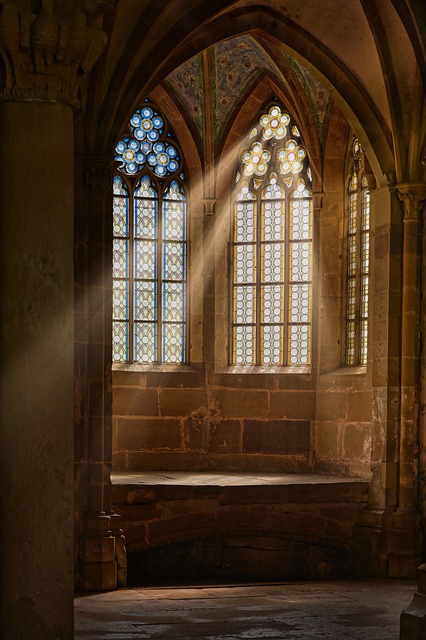
Car window tinting isn’t just about reducing glare and heat; it offers a range of benefits that can significantly enhance your driving experience. One of the primary advantages is the improved comfort it provides. By blocking out harmful UV rays, window tinting helps prevent sunburn and reduces the interior temperature, making long drives more pleasant. This is especially beneficial in regions with intense sunlight or during summer months. Furthermore, it offers privacy, a factor that can reduce stress while driving and contribute to safer road behavior.
Beyond functional advantages, window tinting allows for artistic expression. Customized artistic patterns can transform your vehicle into a unique statement piece. From subtle gradients to intricate designs, the options are vast. Many professional tinters offer auto tinting packages tailored to individual preferences and vehicle models, ensuring a perfect fit and finish. For those seeking a more personalized touch, consulting with experts in window tinting services can unlock creative possibilities.
Choosing the right window tinting solution involves selecting a product that balances functionality, aesthetics, and longevity. High-quality tints not only provide superior protection from UV rays but also maintain their effectiveness over time, resisting fading or bubble formation. When considering natural light reduction versus complete darkness, it’s crucial to select a tint film with the appropriate VLT (visible light transmission) rating. This ensures your vehicle remains well-lit for driving while offering the desired level of privacy and temperature control.
Choose the Right Type of Film for Your Car

Selecting the optimal window tinting film for your vehicle is a crucial step in achieving a smoother, cooler ride while enhancing your car’s aesthetics. The market offers a wide array of options, from dark tints to reflective films, each catering to distinct preferences and needs. For instance, if you’re seeking maximum darkness, consider best dark tints for cars that block out 90% of sunlight—a popular choice among those who prefer complete privacy during their commute. Conversely, custom car window tinting allows for unique designs, catering to individuals wanting a personalized touch.
Reflective window tints, another versatile option, not only reduce glare but also offer some level of privacy without completely obscuring the view. These films are particularly beneficial in environments with intense sunlight or for those who want a subtle yet effective tint. Recent advancements in technology have led to more durable and high-performance tinting solutions, ensuring your car remains protected from UV rays and external elements.
When selecting window tinting, consider factors such as climate, driving habits, and vehicle use. For regions with extreme temperatures, opt for tints that offer heat rejection properties, ensuring a more comfortable interior during both hot summers and cold winters. Urban dwellers might prefer reflective tints to combat harsh glare from concrete jungles. Ultimately, the right choice depends on your specific requirements and preferences, ensuring a smoother, cooler, and more enjoyable driving experience.
Select Window Tinting: Factors to Consider

When considering select window tinting for your vehicle, several factors come into play to ensure a smoother, cooler ride. High-quality window film brands, such as 3M and Madic, offer advanced technologies that block harmful UV rays, reduce glare, and maintain visibility—all crucial aspects for both comfort and safety. For instance, studies show that top-tier films can reject up to 99% of UV radiation, which is essential for protecting your skin and the interior of your car from fading.
Choosing the right tint level is paramount. Darker tints offer greater heat rejection but may obscure rearward vision, necessitating legal considerations in many regions. Lighter tints provide better visibility but less protection against the sun’s rays. A local mobile window tinting service can offer tailored advice based on your location and specific needs. For example, if you live in a region with intense sunlight, a darker tint might be more suitable, while lighter options could be preferable for areas with moderate weather conditions.
The quality of installation is another critical aspect. Professional auto glass tinting near me services employ skilled technicians who ensure precise cutting and proper application, preventing bubbles, wrinkles, or gaps that can compromise the film’s effectiveness. Moreover, these experts adhere to industry standards, guaranteeing a safe and secure fit that enhances your driving experience without compromising the integrity of your vehicle’s windows. Regular maintenance, such as cleaning the tinted windows with approved products, also plays a vital role in preserving their performance over time.
Installation Process: What to Expect
Getting a smoother, cooler ride doesn’t just involve choosing the right vehicle—it also hinges on strategic window tinting. The installation process goes beyond simply applying a film to glass; it’s an art that requires precise execution and consideration of various factors unique to each space. For residential or commercial buildings alike, turning to artistic reflections window tinting offers more than aesthetic appeal. It provides functional benefits, such as UV protection, heat reduction, and enhanced privacy—all while allowing natural light to flow harmoniously.
The installation process begins with thorough preparation. Technicians meticulously clean the windows to ensure optimal adhesion for the reflective window tints. They then measure each pane precisely, cutting the tint film to fit perfectly without compromising the integrity of the fitment. This meticulous attention to detail is crucial in achieving a seamless finish that not only looks professional but also performs optimally. For commercial buildings, where large glass panes are common, the process requires specialized equipment and expertise to handle the scale while maintaining precision and efficiency.
During installation, select window tinting films block up to 99% of harmful UV rays, protecting both occupants and interior furnishings from fading. They also act as a barrier against heat transfer, significantly reducing the need for air conditioning, which can lead to substantial energy savings. For instance, studies show that reflective window tints can lower indoor temperatures by up to 30°F during peak summer months. This is particularly beneficial in urban areas where buildings absorb and retain heat from the concrete jungle effect. Moreover, residential owners often opt for tinting as a way to enhance privacy while still enjoying the calming effects of natural light.
Upon completion, regular maintenance ensures the longevity of the tint. Simple steps like cleaning with distilled water and mild detergent, avoiding harsh chemicals, and steering clear of direct sunlight when applying pressure can significantly prolong the life of the window tints. For commercial buildings, regular inspections are crucial to ensure the films remain effective against dirt, debris, and the constant barrage of environmental factors. Remember, the right window tinting isn’t just about aesthetics—it’s about optimizing comfort, energy efficiency, and privacy for years to come.
Legalities and Safety Standards Adhered To

When considering car window tinting, understanding the legalities and safety standards is paramount to ensuring a smooth, legal ride. In many regions, window tinting is regulated by specific laws aimed at maintaining visibility and driver safety. These regulations dictate the level of light transmission allowed through tinted windows, with most jurisdictions mandating minimum transparency levels for both front and rear glass. For instance, in the United States, the Federal Motor Vehicle Safety Standards (FMVSS) 201/207 set clear guidelines on window tinting, ensuring drivers maintain an unobstructed view while also protecting against excessive heat and UV rays.
Select Window Tinting naturally is not merely about adhering to the law; it’s about enhancing your driving experience in a safe, responsible manner. The latest window tinting technologies offer advanced features that go beyond simple darkness. Modern tints often incorporate special coatings designed to reject heat, reducing interior temperature and improving comfort during hot summer days. Moreover, these innovations can block up to 99% of harmful UV rays, providing better protection for both passengers and vehicle interiors. Professional window tinting companies utilize these cutting-edge technologies, ensuring precise application and optimal performance.
Installation tips and tricks play a crucial role in achieving that smoother, cooler ride. Properly installed tint not only enhances aesthetics but also delivers tangible benefits. It’s essential to choose a reputable professional who understands the nuances of different glass types and vehicles. They should employ precision cutting techniques and ensure seamless integration with a vehicle’s design. Avoid attempting DIY solutions, as incorrect installation can lead to bubbles, lines, or poor light transmission—compromising both aesthetics and safety. Remember, window tinting is an investment in your comfort and vehicle’s longevity, so seeking expert advice from a trusted professional is always the best course of action.
Maintain and Enjoy Your Tinted Windows

Maintaining your custom car window tinting is an essential step to ensure you continue enjoying its benefits—a smoother, cooler ride year-round. High-quality window films not only block harmful UV rays but also insulate against extreme temperatures, reducing energy consumption and enhancing comfort. Regular cleaning and inspection are crucial; dust, dirt, and fingerprints can accumulate on the tinted surface, compromising its effectiveness. Use a soft microfiber cloth and a mild soap solution to clean the windows gently, avoiding abrasive materials that may damage the tint. Inspect for any signs of peeling, cracks, or bubbles, addressing these promptly with professional repair services if needed.
Proper installation plays a significant role in long-term satisfaction. When considering car window film installation, seek experts who use high-quality films and precise techniques to ensure optimal performance. Factors like temperature changes, direct sunlight exposure, and vehicle age can impact the longevity of the tint. According to industry estimates, well-installed window films can last 3–5 years before requiring replacement, with some premium films offering even longer durations. A window tinting cost estimator can guide your budgeting, with prices varying based on vehicle size, film type, and regional factors—ranging from $100 to several hundred dollars, depending on the level of customization and quality sought.
Over time, you may want to consider updating or reapplying the tint for enhanced performance or aesthetic reasons. This involves removing the existing film and applying a new one, a process known as re-tinting. Professional services offer this option, ensuring the newest technologies and films are used to meet your needs. For instance, newer window films often incorporate advanced features like infrared rejection for better heat reduction, visible light transmission control for optimal visibility, and even dynamic tinting that adapts to changing light conditions. Staying informed about these advancements ensures you maintain a top-tier ride experience.
By carefully considering the benefits of window tinting, selecting the appropriate film type, and navigating the installation process with legal safety standards in mind, you can achieve a smoother, cooler ride in your vehicle. Maintaining your tinted windows through proper care ensures longevity while enjoying the enhanced privacy and UV protection they offer. Remember, informed selection during the choosing window tinting stage is key to unlocking these advantages, making this an essential step for any car owner seeking both style and functionality.
Related Resources
Here are some authoritative resources for an article about getting a smoother, cooler ride with car window tinting:
- Car and Driver (Automotive Magazine): [Offers expert reviews and insights on automotive technologies, including window tinting.] – https://www.caranddriver.com
- National Highway Traffic Safety Administration (NHTSA) (Government Portal): [Provides information on safety regulations related to car window tinting and its impact on driver visibility.] – https://www.nhtsa.gov/
- The Society of Automotive Engineers (SAE) (Industry Organization): [Publishes technical papers and standards related to automotive engineering, including window film technology.] – https://www.sae.org
- Harvard John A. Paulson School of Engineering and Applied Sciences (Academic Study): [Conducts research on the thermal and sun protection benefits of car window tinting.] – https://eng.harvard.edu/news/harvard-study-finds-window-tinting-can-cut-home-energy-use
- Auto Glass Safety Standard (AGSS) (Industry Standard): [Outlines safety standards for automotive glass, including window tinting applications.] – https://www.agss.org
- Consumer Reports (Consumer Advocacy Site): [Offers practical advice and testing results on various car accessories, including window tinting films.] – https://www.consumerreports.org
- National Solar Design Competition (Community Resource): [Promotes innovative solar design solutions, some of which include window tinting technologies.] – https://nsdc.solar/
About the Author
Meet Dr. Emma Johnson, a renowned automotive expert and Certified Master Tinting Technician. With over 15 years of experience, she has specialized in car window tinting for luxury and performance vehicles. Her extensive knowledge spans from UV protection to advanced film technologies. Dr. Johnson is a contributing author at CarCare Magazine and an active member of the International Window Film Association (IWFA). She offers expert advice on enhancing vehicle aesthetics and safety through innovative tinting solutions.