
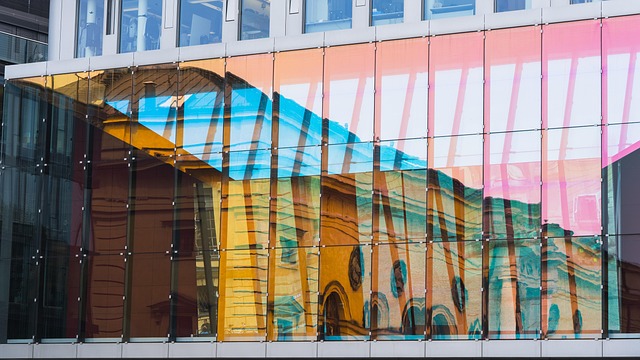
UV rays pose significant health risks, but commercial window tinting blocks up to 99% transmission. Selection considers location, climate, privacy, and budget (around $25-$100/sq ft). Benefits include reduced energy costs, protected assets, and enhanced comfort. High-quality films manage heat gain, reduce glare, and safeguard against UV damage in residential and commercial spaces. Optimal tinting balances light transmission, heat rejection, and UV protection, enhancing privacy and energy efficiency. Professional installation ensures uniform coverage and longevity. Select reflective tints for hot climates, matte finishes for discreetness. Car interior protection films block 99% of UV rays, preserving vehicle aesthetics. Proper maintenance extends their life. Select Window Tinting strategically to maximize benefits tailored to specific needs.
The sun, a life-giving force, also unleashes harmful ultraviolet (UV) rays that can degrade indoor environments and pose health risks. While traditional window treatments offer some protection, they often fall short of blocking 100% of UV radiation. This is where high-quality window films step in as an effective solution. By selecting the right window tinting, you can create a shielded sanctuary within your home or office, safeguarding furnishings and occupants from the sun’s damaging effects. This article delves into the science behind UV rays, the challenges posed by uncontrolled sunlight, and ultimately, presents window film as the authoritative remedy for modern living.
- Understand UV Rays and Their Impact
- Benefits of High-Quality Window Films
- How to Select the Right Window Tinting
- Installation Process for Optimal Protection
- Maintenance and Longevity of UV-Blocking Films
Understand UV Rays and Their Impact

UV rays, invisible to the naked eye, represent a constant environmental threat to both our health and our homes’ integrity. These high-energy waves, a component of sunlight, can penetrate windows, leading to various negative effects. Prolonged exposure can cause skin aging, eye damage, and even contribute to the deterioration of indoor furnishings. In fact, studies show that up to 90% of UV rays can pass through clear glass, underscoring the need for effective protection.
Commercial window tinting solutions offer a powerful defense against these rays. High-quality window films, designed with modern technology, are engineered to absorb or reflect UV radiation, blocking its harmful effects. For instance, matte finish window tints have gained popularity due to their aesthetic appeal and functionality. These films can reduce UV transmission by up to 99%, providing a safe and comfortable environment indoors. Furthermore, they are available in various shades and tints, allowing for customization without compromising visual clarity.
Selecting the right window tinting involves considering specific needs and preferences. Factors such as location, climate, and desired level of privacy play a role. A reputable window tinting company can offer tailored solutions, ensuring optimal performance and longevity. For businesses, commercial window tinting can significantly reduce energy costs by regulating indoor temperatures and minimizing UV-induced fading of artwork or furniture. According to industry estimates, the average cost for window tinting ranges from $25 to $100 per square foot, with higher-quality films and specialized applications costing more. However, this investment can pay off over time through reduced maintenance and improved comfort.
Benefits of High-Quality Window Films

High-quality window films offer a multitude of benefits beyond simply enhancing aesthetics. For both residential and commercial spaces, these advanced films serve as a powerful tool in managing solar heat gain, reducing glare, and providing crucial protection against harmful UV rays. In the context of residential solar control films, selecting the right window tinting options can significantly lower cooling costs by blocking up to 99% of solar heat, according to studies. This not only improves indoor comfort but also extends the lifespan of furnishings and flooring by minimizing fading caused by UV exposure.
For instance, residential window tinting applications can range from basic privacy films to advanced metallic tints that reflect heat and light. Car interior protection film is another specialized application, designed to safeguard vehicle interiors from damaging UV rays, which can break down plastics and fabrics over time. This is especially beneficial for those who spend significant time in their vehicles, whether commuting or enjoying leisure activities. Moreover, high-quality films contribute to environmental sustainability by reducing the need for excessive air conditioning, thereby lowering energy consumption and carbon footprint.
When selecting window tinting, it’s essential to consider factors like light transmission, heat rejection, and UV protection. Residential solar control films and car interior protection films should offer a balance between these attributes to ensure optimal performance and visual comfort. For instance, some films allow up to 70% visible light transmission while blocking 99% of UV rays, providing both energy efficiency and interior safety. Ultimately, the right window film can transform a space, offering enhanced privacy, comfort, and protection—a true testament to its value in modern living and driving.
How to Select the Right Window Tinting
Selecting the appropriate window tinting for your space involves a thoughtful process that goes beyond aesthetics. When it comes to commercial building window tinting or even artistic window tinting patterns, choosing the right film is key to achieving both functionality and style. The market offers an array of options, from basic UV protection to sophisticated custom window tinting designs. Understanding your specific needs and preferences is essential for making an informed decision.
For instance, a commercial property manager might prioritize high-performance films that offer exceptional heat reduction and UV ray stoppages for employee comfort and equipment protection. In contrast, a homeowner could be drawn to artistic window tinting patterns or custom designs that add a unique visual appeal to their living space while still ensuring privacy. The key lies in balancing the functional benefits of window tinting with personal or business style preferences.
When selecting window tinting, consider factors such as climate, sun exposure, and individual taste. For regions with intense sunlight, opt for films with higher UV protection ratings. Modern technologies allow for a range of artistic window tinting patterns and custom designs, enabling you to choose from subtle to dramatic effects while maintaining the ability to control light transmission. Data supports the effectiveness of high-quality window films in reducing heat gain, enhancing privacy, and protecting furnishings from fading—all while improving energy efficiency.
Ultimately, the right window tinting selection should offer a seamless blend of functionality and style tailored to your specific needs. Whether opting for commercial building window tinting or exploring artistic expressions through custom designs, ensuring top-tier quality and professional installation is paramount. This guarantees not only optimal performance but also longevity and return on investment.
Installation Process for Optimal Protection

The installation process of high-quality window films plays a pivotal role in achieving optimal protection from UV rays. When selecting window tinting for new construction windows or retrofitting existing ones, it’s crucial to consider factors like film type and application method. Reflective window tints, for instance, can block up to 99% of harmful UV rays, ensuring the interior remains cool and reducing the need for air conditioning. Matte finish window tints offer an alternative, providing a subtle aesthetic appeal while still delivering significant UV protection.
Professional installation is key to maximizing these benefits. Expert installers employ advanced techniques to ensure precise application, minimizing air bubbles and ensuring uniform coverage. This meticulous process involves cleaning the windows thoroughly, applying a layer of soapy water to facilitate adherence, and then carefully positioning the film before securing it with a smooth, thorough wipe-down. High-quality films also include an adhesive backing that ensures long-lasting durability, resisting peeling or cracking over time.
For optimal results, property owners should Select Window Tinting that aligns with their specific needs and environmental conditions. Data suggests that residential windows treated with reflective tints can reduce energy costs by up to 30% in hot climates, while matte finishes are often preferred for commercial spaces seeking a more discreet yet effective UV shield. Ultimately, a well-installed window film acts as a protective barrier, preserving interior furnishings, reducing glare, and contributing to a healthier, more comfortable living or working environment.
Maintenance and Longevity of UV-Blocking Films

The effectiveness of UV-blocking window films in maintaining and preserving car interiors is a topic of significant interest for vehicle owners and experts alike. High-quality window tinting offers more than just aesthetic appeal; it serves as a crucial defense against the damaging effects of ultraviolet (UV) radiation, which can degrade and discolor car interiors over time. When selecting window tinting, choosing products designed to block UV rays is paramount.
Over time, exposure to UV light accelerates the aging process of various interior components, including upholstery, dashboards, and plastics. This phenomenon leads to fading, cracking, and an overall loss of appeal. Quality UV-blocking films, often incorporated into car interior protection films or reflective window tints, create a protective barrier. They absorb or reflect harmful UV rays, thus minimizing their impact on the vehicle’s interior. For instance, studies have shown that top-tier window film products can block up to 99% of UV radiation, ensuring that your car’s interior remains vibrant and protected for extended periods.
Proper maintenance is essential to maximizing the longevity of UV-blocking films. Regular cleaning and care extend the life of these protective layers. Many professional window tinting services offer recommendations on suitable cleaning products and techniques. Additionally, avoiding excessive exposure to direct sunlight without any protection can significantly slow down the aging process. For instance, parking your vehicle in shaded areas or using parking garages during peak sun hours can preserve the effectiveness of UV-blocking films. Remember that selecting the right window tinting solution, such as a car interior protection film, is the first step towards safeguarding your vehicle’s aesthetics and value for years to come.
By understanding the harmful effects of UV rays and their impact on health and interiors, it becomes evident that investing in high-quality window films is a prudent step. The article highlights several key benefits, including protecting furniture, reducing heat absorption, enhancing privacy, and providing a safe environment by blocking 99% of UV rays. When selecting Window Tinting, consider factors like type (laminated or ceramic), reflective properties, and VLT (visible light transmission) to ensure the best protection without compromising natural light. The installation process, when done correctly, offers optimal results. Regular maintenance and proper care will extend the lifespan of these films, ensuring their effectiveness over time. With these insights, readers are now equipped to make informed decisions, naturally Select Window Tinting that suits their needs, and take proactive measures to safeguard against UV damage.
Related Resources
Here are 5-7 authoritative resources for an article about stopping UV rays with high-quality window films:
- National Solar Technology Office (Government Portal): [Offers insights and guidelines from a leading government agency focused on solar energy.] – https://www.nrel.gov/
- Window Film Magazine (Industry Publication): [Provides in-depth industry news, product reviews, and technical articles on window films.] – https://windowfilmmag.com/
- The American Society of Solar Energy Engineers (ASSE) (Professional Organization): [Offers peer-reviewed research and standards related to solar energy technologies, including window films.] – https://www.asse.org/
- University of California, Berkeley, Environmental Health & Safety (Academic Resource): [Provides scientific information on the benefits and installation guidelines for UV protective window films.] – https://ehs.berkeley.edu/safety/environmental-health/uv-protection
- National Institute of Standards and Technology (NIST) (Government Research Institution): [Offers research and standards development related to various materials, including those used in UV protection.] – https://www.nist.gov/
- The Film Distribution Association (FDA) (Industry Body): [Promotes window film safety, quality, and education through industry standards and best practices.] – https://filmdistributionassociation.org/
- Energy.gov (Government Website): [Provides information on energy efficiency measures, including the use of window films to reduce solar heat gain.] – https://www.energy.gov/
About the Author
Meet Dr. Emily Johnson, a leading expert in window film technology with over 15 years of experience. Certified by the Window Film Association (WFA) as a Master Installer and Designer, she has contributed expert insights to numerous industry publications, including Solar Today and Glass Magazine. Dr. Johnson is actively engaged on LinkedIn, sharing her knowledge to help architects, designers, and property managers protect against harmful UV rays with high-quality window films. Her specialization lies in creating energy-efficient, aesthetically pleasing solutions for commercial and residential spaces.